
♡ ︎ Period Education • Self-Care • Awareness
Know About Periods
Understand your cycle. Understand your body. Take care of yourself.
Simple, reassuring answers for teens, young women and mothers — written gently, so period care feels like self-care instead of a secret.
The Basics
Everything, gently explained
Six calm reads on what happens, what’s normal, and how to care for yourself.
✿
01
What Are Periods?
Periods are a natural part of the menstrual cycle. They happen when the uterus sheds its lining because pregnancy has not occurred.
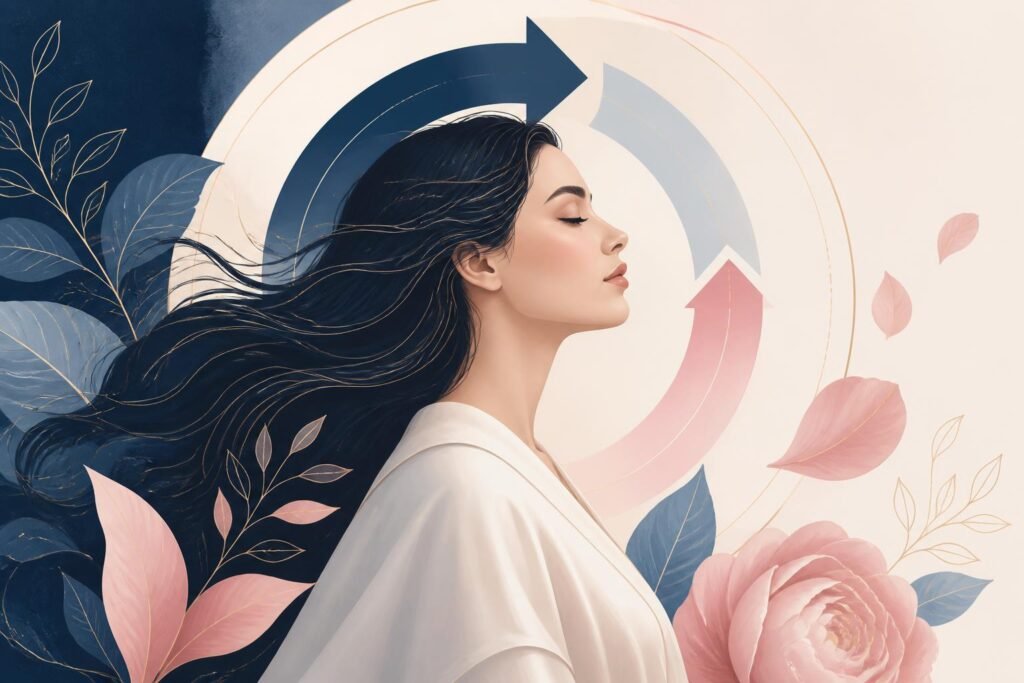
Across roughly a month, hormones rise and fall in a loop — build up, release, and begin again.
🗒
02
Understanding Your Menstrual Cycle
✦ Menstruation Day 1–5
The uterine lining sheds. Rest and gentle care help most.
✦ Follicular Phase Day 1–13
The body prepares an egg. Energy often begins to rise.
✦ Ovulation ~Day 14
An egg is released. Many notice a peak in energy and mood.
✦ Luteal Phase Day 15–28
Hormones shift again. Cravings or tenderness may appear.
Every body is different, and cycle length can vary.
❄︎
03
What Is Normal?
☑︎ Mild to moderate cramps
☑︎ Changes in mood
☑︎ Bloating
☑︎ Breast tenderness
☑︎ Fatigue
☑︎ Changes in appetite
Experiences differ from person to person — and from one cycle to the next. Your normal is yours.
☁
04
Period Hygiene
✷
05
Periods & Your Lifestyle
Iron, fibre and whole foods support steadier energy.
Water can ease bloating and headaches.
Walking, yoga or stretching at your own pace.
Consistent rest helps mood and cramps alike.
Breathing, journalling or quiet time all count.
Some days ask for less. That’s allowed.
❤︎
06
When Should You Seek Help?
Most cycles need nothing more than rest and care. Still, professional medical advice can be appropriate for symptoms such as:
Your concerns are valid.
Don’t ignore persistent or severe symptoms — speaking to a doctor is a form of self-care.
Self-Care
Make Your Period Days More Comfortable
ᰓ Stay hydrated
🍽 Chose nourishing foods
☯︎ Gentle movement or stretching
⏾ Get enough rest
♡ Use suitable menstrual products
🗒 Track your cycle and symptoms
・✿ .
Know Your Cycle. Know Your Body.
Understanding your menstrual cycle can help you notice patterns and make informed self-care choices.
This section is for general educational purposes and is not a substitute for personalized medical advice. If you have severe, persistent, or concerning symptoms, consult a qualified healthcare professional.